
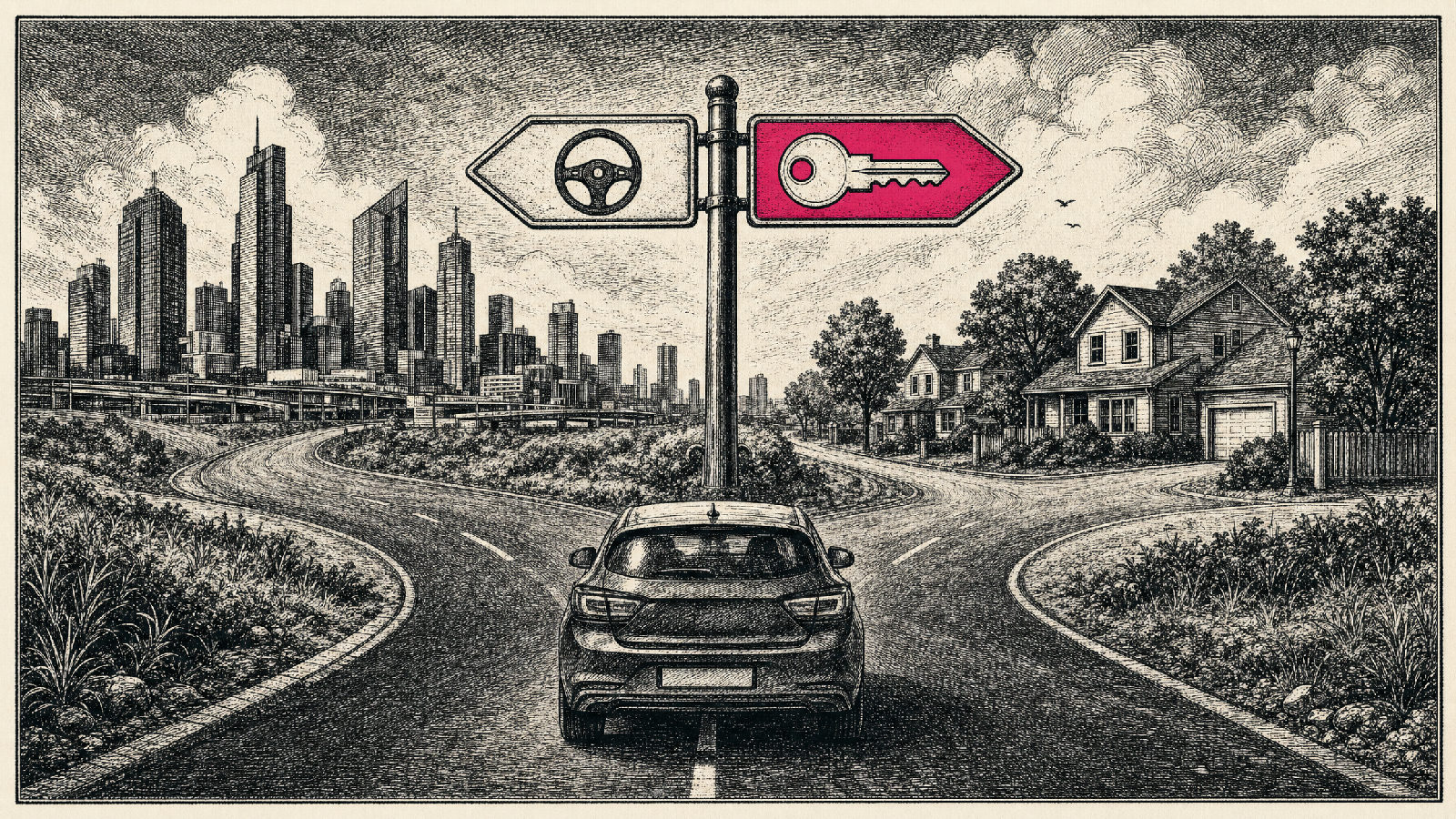
When a private parking operator issues a ticket via ANPR cameras, they do not know who was driving the car. They only know the registration number. This is a significant problem for them — and a significant advantage for you. The Driver vs. Keeper Trap is the most common way drivers hand that advantage back.
How Keeper Liability Works
Before the Protection of Freedoms Act 2012 (POFA), private parking companies could only pursue the driver of the vehicle. Since they rarely knew who the driver was, most ANPR-issued tickets were effectively unenforceable against anyone other than the person caught in the act.
POFA Schedule 4 changed this. It introduced a mechanism that allows operators to transfer liability from the unknown driver to the registered keeper of the vehicle — but only if the operator complies with a series of strict statutory conditions.
These conditions are precise and unforgiving. If the operator fails to meet any of them, the transfer of liability does not occur. They cannot hold the registered keeper liable. And if they do not know who the driver was, they have no one to pursue.
The Conditions Operators Must Meet
For an ANPR-issued charge (where no ticket was placed on the windscreen), the operator must:
- Deliver the Notice to Keeper to the registered keeper's address within 14 days of the parking event.
- Include specific mandatory wording in the Notice to Keeper, as set out in POFA 2012, Schedule 4, Paragraph 9.
- Allow the keeper a minimum of 28 days to respond before escalating.
- Issue a further notice (the Notice to Keeper) if the driver is not identified within that period.
Many operators fail to meet these requirements. Letters are posted late. Mandatory wording is missing or incorrect. The 14-day window is missed by a single day. Any of these failures means the keeper liability transfer is invalid.
The Trap: Admitting Who Was Driving
The operator desperately wants you to admit who was driving. If you write an appeal saying "I was only 10 minutes late because the queue for the till was massive," you have just admitted to being the driver. You have handed them the one piece of evidence they did not have.
This is the Driver vs. Keeper Trap. By trying to explain the situation, you resolve the operator's fundamental problem for them. They no longer need to prove keeper liability. They know who the driver was because you told them.
The Strategy
Never admit who was driving. Always appeal as the Registered Keeper.
Your appeal should challenge the operator's compliance with POFA 2012. Request evidence that the Notice to Keeper was delivered within 14 days. Request a copy of the notice and verify that it contains the mandatory statutory wording. If the operator cannot demonstrate strict compliance, their case against you as keeper fails.
This is not a technicality. It is the law. Parliament wrote these conditions into POFA 2012 precisely to protect registered keepers from liability for charges they did not personally incur. The operators know this. They rely on you not knowing it.
What Happens When You Get It Right
When you appeal as the Registered Keeper and challenge POFA compliance, the operator faces a choice: produce evidence of strict compliance, or abandon the case. Many cannot produce the evidence because they did not comply. The case collapses.
Even when the operator can demonstrate compliance, challenging POFA forces them to build a bespoke evidence pack, reviewed by a human compliance officer. That costs them approximately £12.25 in staff time — before you have even escalated to POPLA.
Revenger guides you through the POFA compliance challenge as a standard part of the first-stage appeal. It is one of the most effective tools in the escalation process, and it costs you nothing to use.
For £5 — the Satisfaction Fee — you get the guided system, the letters, the deadlines, and the live Cost-to-Operator scoreboard showing exactly how much financial pain you are inflicting at every stage.
It is not just about saving £100. It is about the satisfaction of knowing you cost them £200 in the process.
Revenge is best sent cold.