
Most people who receive a private parking charge have grounds to dispute it. Most of them pay anyway. The operators know this — it is the foundation of their entire business model. But even among the minority who do fight back, a significant proportion make avoidable mistakes that hand the operator an easy win. Here are the seven most common ones.
1. Paying "Just In Case"
Paying the early-payment discount is not a neutral act. It is an admission of liability. Once you pay, the case is closed. You cannot get your money back, regardless of whether the charge was valid. The £60 early-payment discount is not a gesture of goodwill — it is a calculated exploitation of financial anxiety. If you are worried about money, paying £60 now to make the problem go away feels rational. The operators price accordingly.
The fix: Do not pay. Do not acknowledge the charge as valid. If you have grounds to dispute it — and most people do — the correct response is to dispute it, not to pay a discounted version of it.
2. Admitting Who Was Driving
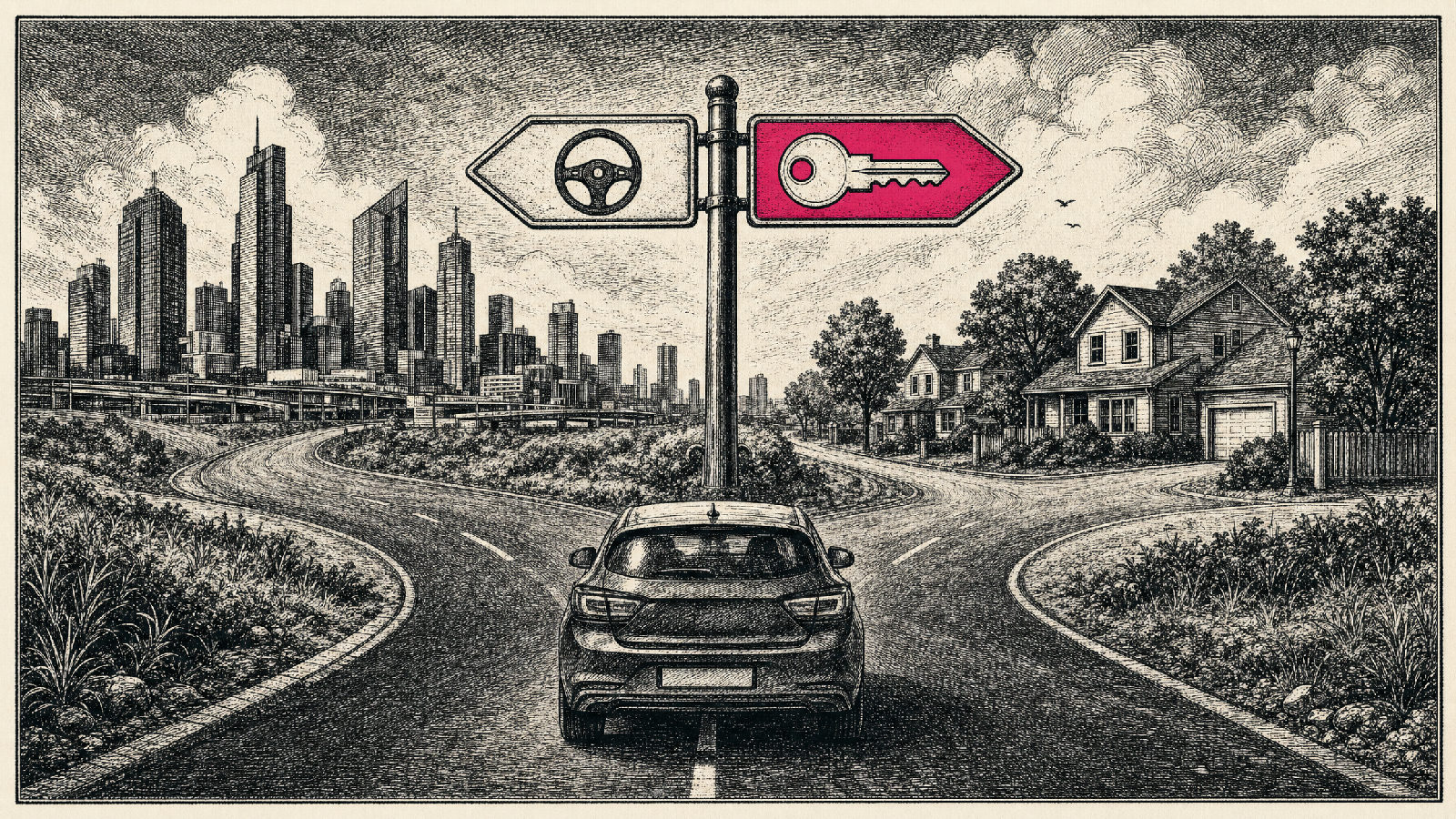
When an operator issues a ticket via ANPR cameras, they do not know who was driving. They only know the registration number. The first letter they send is addressed to the Registered Keeper — not necessarily the driver. If you write an appeal saying "I was only 10 minutes late because the queue was long," you have just admitted to being the driver. You have handed them the one piece of evidence they did not have.
The fix: Never admit who was driving. Always appeal as the Registered Keeper. Force the operator to prove they have complied with the strict requirements of POFA 2012. If they have not, they cannot hold the Registered Keeper liable.
3. Writing an Emotional Appeal
"My child was sick." "The machine was broken." "I didn't see the signs." The operator does not care. They reject almost all internal appeals because they are the judge and jury of their own system. An emotional appeal gives them nothing to work with and nothing to worry about.
The fix: Your internal appeal should be a cold, legal challenge. Challenge their compliance with POFA 2012, the adequacy of their signage, and their legal authority from the landowner to issue charges. You are writing this appeal not to win — you are writing it to set up your defence for the next stage.
4. Stopping at the Internal Appeal
The internal appeal is almost always rejected. That is not the end of the process — it is the beginning of it. The operators design the system to make you feel like a rejection is final. It is not. The independent appeal (POPLA for BPA operators, IAS for IPC operators) is where the real challenge happens, and POPLA upholds between 37 and 50 per cent of the appeals it receives.
The fix: When the operator rejects your internal appeal, escalate to the independent adjudicator immediately. Do not treat a rejection as a verdict.
5. Ignoring Debt Collector Letters
When the operator passes your details to a debt collector, the letters are designed to terrify you. Red ink. Capital letters. "Notice of Intended Court Action." Most people either panic and pay, or ignore the letters entirely. Both are mistakes. Ignoring them allows the case to escalate to court. Panicking and paying closes the case on the operator's terms.
The fix: Formally dispute the debt under FCA CONC 7 rules. A written dispute notice freezes all collection activity immediately. The debt collector must pause, refer back to the operator, and obtain documentation. Many cases break down at this stage because the documentation does not exist.
6. Ignoring Court Papers
This is the most dangerous mistake of all. If the operator issues a County Court claim and you ignore it, you will receive a default County Court Judgment (CCJ). A CCJ damages your credit rating for six years. The operators' bulk-claim solicitors — Gladstones, BW Legal, DCB Legal — rely entirely on people ignoring court papers. It is the only way their model works.
The fix: If you receive a genuine court claim form, acknowledge service and file a defence. The moment you file a defence, the economics of the bulk-claim model collapse. Parliamentary evidence confirms that well-defended cases result in the operator discontinuing the claim in the vast majority of instances.
7. Fighting Alone Without a System
The operators have automated systems, compliance teams, and bulk-claim solicitors. Most drivers have a forum post from 2019 and a lot of anxiety. The information asymmetry is real, and it is deliberate. The operators benefit from you not knowing the law, not knowing the deadlines, and not knowing what each step costs them.
The fix: Use Revenger. Revenger is the guided system that uses your legal rights to hit private parking operators where it hurts — their profits. For £5 — the Satisfaction Fee — you get the guided system, the letters, the deadlines, and the live Cost-to-Operator scoreboard showing exactly how much financial pain you are inflicting at every stage.
It is not just about saving £100. It is about the satisfaction of knowing you cost them £200 in the process.
Revenge is best sent cold.