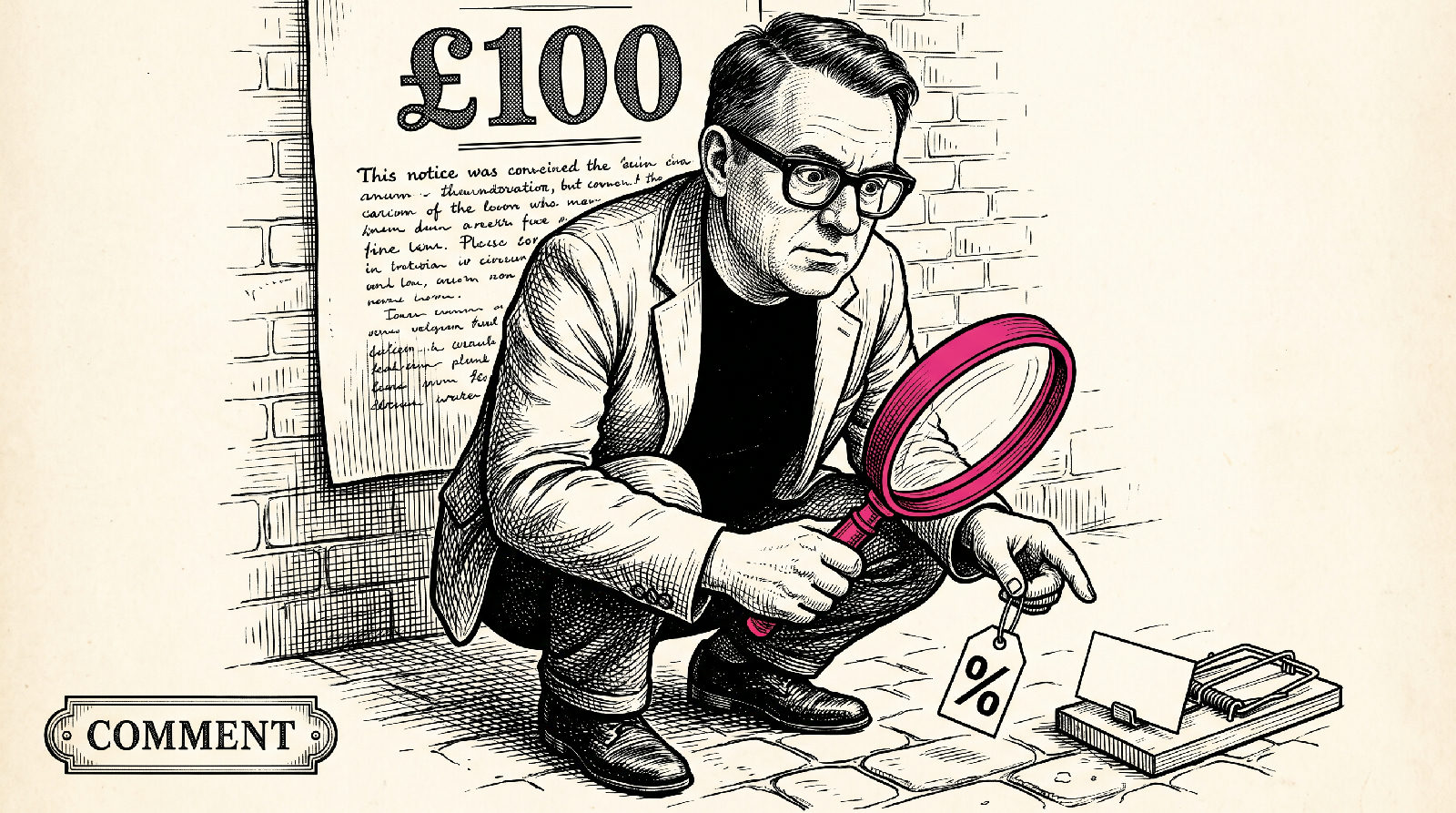

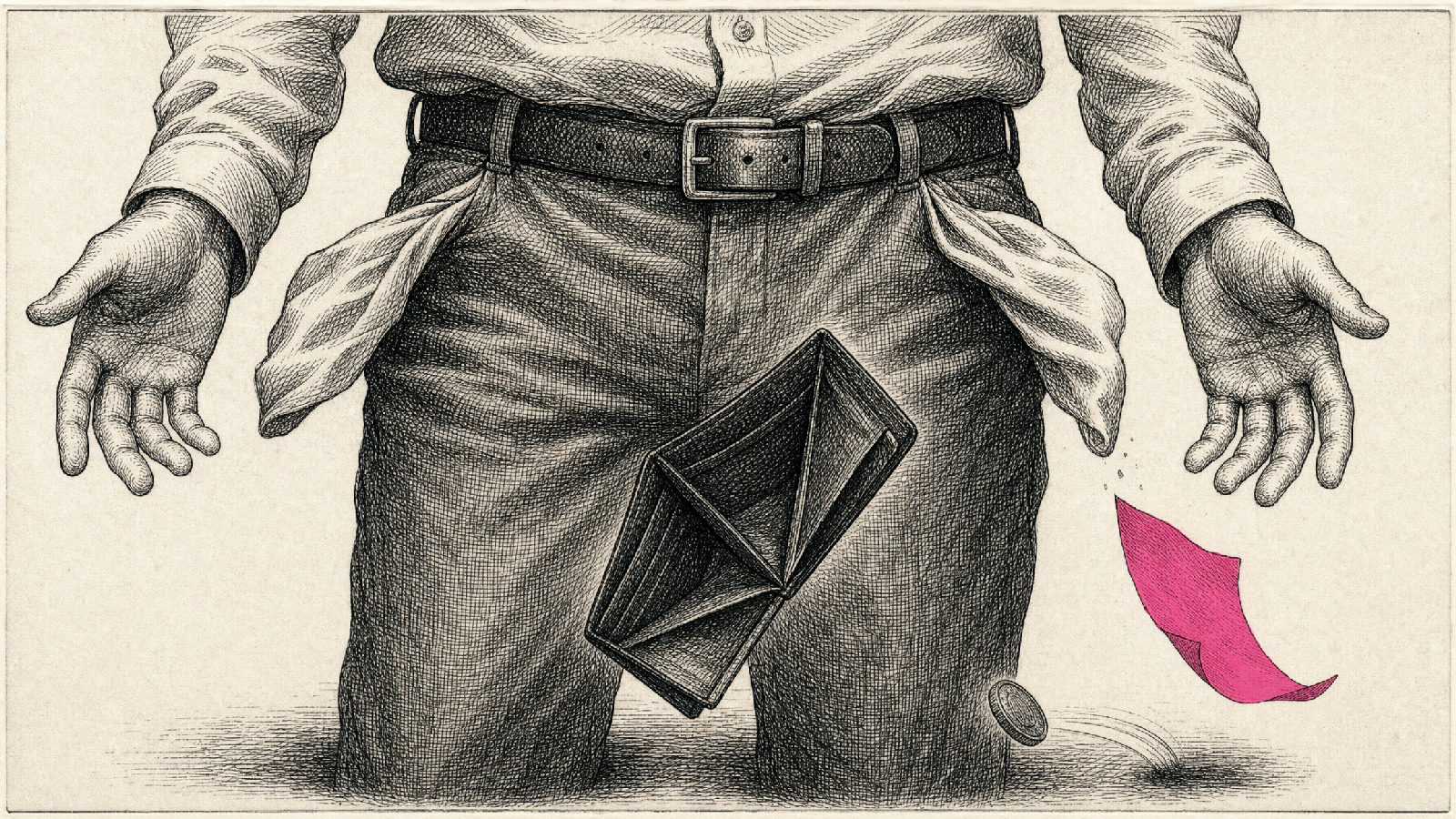
When politicians talk about the cost of living, they talk about energy bills, food prices, and mortgage rates. These are real pressures, and they deserve the attention they get. But there is another drain on household finances that rarely makes it into the debate — one that is growing faster than almost any of the others, is almost entirely unregulated, and is specifically designed to exploit the people least able to fight back.
Private parking companies issued 14.4 million charges to British drivers in 2024/25. That is a 13 per cent increase on the year before, and more than double the number issued in 2018/19. The RAC is forecasting the total will hit 17 million in 2025/26. At an average charge of between £60 and £100, the industry is extracting somewhere between £860 million and £1.4 billion from drivers every year.
That is not a rounding error. That is a significant, recurring transfer of money from ordinary people to private companies — and it is accelerating.
Who Gets Hit
The cost of living framing matters here because the burden is not evenly distributed. Private parking enforcement is not concentrated in affluent city centres where people choose to drive. It is concentrated in the places that lower-income drivers use most: supermarket car parks, retail parks on the edges of towns, and NHS hospital sites.
NHS hospital parking alone costs the healthcare workforce an estimated £79 million a year, according to figures cited in a June 2026 nursing union report. Nurses on Band 5 and 6 pay up to £2,000 a year simply to park at the hospital where they work. This is not a lifestyle choice. For many NHS workers, driving to work is not optional — shift patterns, rural locations, and the absence of viable public transport make it a necessity. The charge is, in effect, a tax on essential workers for doing essential work.
The supermarket car park picture is no better. The operators who manage retail park and supermarket car parks — ParkingEye, Euro Car Parks, APCOA — use ANPR cameras to issue charges for overstays that are often a matter of minutes. A parent who spent slightly too long in the Asda car park because their child had a meltdown at the checkout does not have the luxury of a legal team. They get a letter demanding £100, and the letter is designed to look official enough that most people pay without question.
The Fear Premium
This is the part of the story that rarely gets told. A significant proportion of the charges that are paid should never have been paid at all. POPLA, the independent appeals adjudicator for BPA operators, upholds between 37 and 50 per cent of the appeals it receives. That means a substantial share of charges that reach independent review are found to be invalid. And those are only the cases where someone bothered to appeal.
The industry is built on the assumption that most people will not appeal. The early-payment discount — £60 instead of £100 if you pay within 14 days — is not a gesture of goodwill. It is a calculated exploitation of financial anxiety. If you are worried about money, paying £60 now to make the problem go away is rational. The operators know this. They price accordingly.
The result is what might be called a fear premium: a transfer of money from people who cannot afford the risk of escalation to companies that have built their entire business model around that asymmetry.
The Regulatory Vacuum
The Private Parking Code of Practice Act was passed by Parliament in 2019. It has never been implemented. The industry has been self-regulating through the British Parking Association and the International Parking Community — the same trade bodies that represent the operators whose conduct they are supposed to police.
The Competition and Markets Authority opened a formal consumer law investigation into Euro Car Parks in July 2026. The CMA's own press release cited "complaints from motorists" as a trigger. This is welcome, but it is also seven years after Parliament passed legislation that should have addressed these issues, and it covers one operator out of dozens.
The RAC Foundation's director, Steve Gooding, said in June 2026 that it is "more urgent than ever" for the government to implement a code of practice. He has been saying variations of this for years.
The Arithmetic of Injustice
Here is the number that should be in the cost of living debate. Private parking companies are on course to issue 17 million charges in 2025/26. If even 30 per cent of those charges are invalid or unenforceable — a conservative estimate given POPLA's uphold rates — that is 5.1 million wrongful charges worth somewhere between £306 million and £510 million extracted from drivers who had legitimate grounds to dispute them but did not.
That money did not go on food, or heating, or school uniforms. It went to the shareholders of parking companies.
The cost of living crisis is real and it is broad. The energy companies, the supermarkets, and the mortgage lenders all deserve scrutiny. But so does an industry that is quietly extracting hundreds of millions of pounds a year from the people least equipped to fight back — and doing so with the tacit permission of a regulatory system that has been failing drivers for a decade.
Enough is enough. They charged you. Now charge them back.
Revenger is the guided system that uses your legal rights to hit private parking operators where it hurts — their profits. For £5 — the Satisfaction Fee — you get the guided system, the letters, the deadlines, and the live Cost-to-Operator scoreboard. It’s not just about saving £100. It’s about the satisfaction of knowing you cost them £200 in the process. Start your fight today.